
The definition of disability has changed over time. Learn how these shifts can impact your Short Term and Long Term Disability claim.
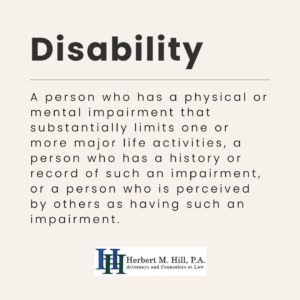
The definition of disability in Short Term Disability and Long Term Disability insurance claims has changed significantly over the past several decades. These changes affect how insurance companies evaluate claims, how quickly claimants must seek treatment, and what type of medical evidence is required to prove disability. Understanding these shifting definitions is essential for anyone filing or appealing a disability insurance claim.
This guide explains how disability definitions have evolved, why insurers continue to tighten requirements, and how new policy language can create unexpected hurdles for legitimate claimants.
How Disability Definitions Have Evolved Over Time
From “Own Occupation” To “Any Occupation”
Historically, most disability insurance policies evaluated claims based on whether the claimant was unable to perform the duties of their own occupation.
Beginning in the late 1990s and early 2000s, insurers began modifying this definition. Many policies now switch from “own occupation” to “any occupation” after a set period, usually 24 months.
This shift allows insurers to argue that a claimant can perform some form of sedentary or alternative work, even if they cannot return to their actual profession. As a result, many individuals experience benefit terminations two years into a claim.
The Push for “Objective Evidence”
Another major shift came when insurers began insisting on “objective medical findings” to support disability claims. This requirement is controversial because:
- Many legitimate medical conditions do not produce objective findings.
- Chronic pain disorders, neurological conditions, fatigue-based conditions, and most mental or nervous conditions often rely on clinical evaluations, not objective tests.
- Courts have recognized that demanding objective proof for conditions that inherently lack such evidence is unreasonable.
Still, insurers routinely cite a “lack of objective evidence” as a reason to deny or terminate benefits.
A New Trend: Extremely Short Treatment Timelines That Create Procedural Traps
One of the most concerning recent developments involves strict treatment deadlines written into some disability policies. For example, Standard Insurance Company has included policy provisions requiring a claimant to see a physician within ten days of the date last worked.
This creates several issues:
- A claimant may have seen a physician the day before stopping work and may have been advised to follow up weeks later.
- Even when symptoms force the claimant to stop working, a normal follow-up schedule may fall outside the ten-day window.
- Missing the insurer’s arbitrary deadline can result in a denial based on procedure alone, not medical evidence.
These requirements serve no medical purpose. Instead, they function as technical traps that allow insurers to deny valid claims over minor procedural issues.
Why These Shifts Matter for Disability Claimants
As policy language evolves, claimants face increasing challenges, including:
- Narrower definitions of disability

- Shorter timelines for proving disability
- Heightened scrutiny of medical records
- Denials based on documentation gaps rather than medical facts
Because of these trends, claimants must take extra care to understand their policy requirements, maintain thorough medical documentation, and seek legal guidance early in the process.
How an Experienced Disability Attorney Can Help
An attorney knowledgeable in ERISA, Short Term Disability, and Long Term Disability claims can assist by:
- Reviewing policy language to identify traps or restrictive definitions
- Ensuring all medical documentation is submitted correctly and on time
- Coordinating with physicians to ensure they address the specific requirements of the policy
- Challenging denials based on unreasonable or unsupported interpretations of “objective evidence”
- Building a strong administrative record for appeal or litigation
With the right guidance, claimants can avoid procedural pitfalls and strengthen their case for benefits.
Speak With a Long Term Disability Attorney About Your Claim
If you have questions about a Short Term Disability or Long Term Disability claim, or if your benefits have been denied or delayed, an attorney at Herbert M. Hill, P.A. can help. Contact us to schedule a free consultation to discuss your situation and learn more about your options moving forward.
Herbert M. Hill, P.A. is an Orlando-based law firm that represents claimants throughout Florida. The firm focuses on Long Term Disability insurance claims and other employee benefit matters governed by the Employee Retirement Income Security Act (ERISA), including medical benefits, pension and retirement plans, 401(k) issues, termination agreements, and private disability insurance policies. Contact us today to schedule a free consultation.